Uganda: A Tapestry of Culture
Uganda, often hailed as the Pearl of Africa, is not only blessed with stunning landscapes and diverse wildlife but also a rich and vibrant cultural heritage. This heritage is woven from the threads of numerous ethnic groups, each with their unique traditions, languages, and customs. From the rhythmic beats of traditional music to the intricate designs of handcrafted artifacts, Uganda's culture offers a captivating glimpse into the heart of Africa.
The Diverse Tribes of Uganda
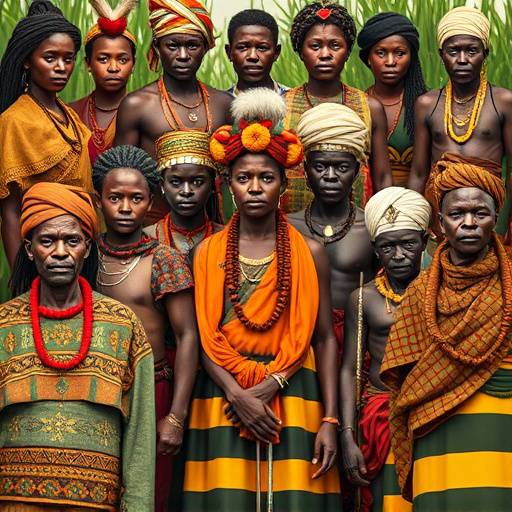
Uganda is home to over 50 different ethnic groups, each contributing to the nation's cultural mosaic. The largest group is the Baganda, who reside primarily in the central region and are known for their sophisticated social structures and rich history. Other prominent tribes include the Banyankole in the southwest, known for their long-horned cattle and pastoral traditions; the Basoga in the east, famous for their vibrant dances and agricultural practices; and the Acholi in the north, recognized for their resilience and unique social customs.
Each tribe boasts its own distinct language, traditional attire, and social hierarchy. The differences between these groups are a source of pride and identity, contributing to the overall cultural richness of Uganda. Visitors to Uganda have the opportunity to interact with these communities, learn about their customs, and witness their unique ways of life.
Music and Dance: The Soul of Uganda
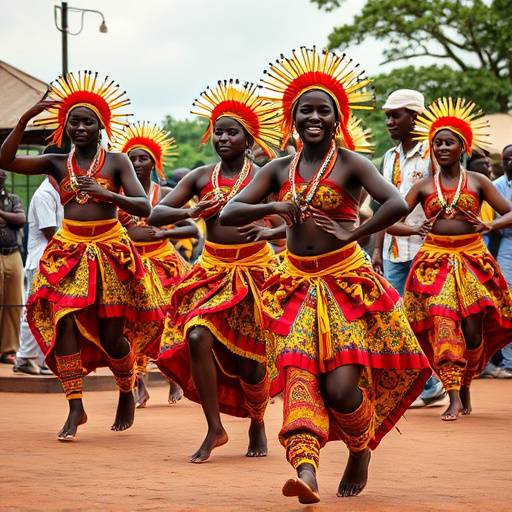
Music and dance are integral parts of Ugandan culture, serving as forms of expression, storytelling, and celebration. Traditional Ugandan music is characterized by its rhythmic complexity, featuring a variety of instruments such as drums, harps, and xylophones. Each tribe has its own unique musical styles and dances, often performed during ceremonies, festivals, and social gatherings.
The Kiganda dance, performed by the Baganda people, is known for its graceful movements and intricate footwork. The Runyege dance of the Banyankole is a courtship dance that showcases the beauty and elegance of the dancers. The Larakaraka dance of the Acholi is a war dance that demonstrates strength and agility. These are just a few examples of the diverse and captivating dances that can be found throughout Uganda.
Modern Ugandan music has also gained popularity, blending traditional rhythms with contemporary sounds. Artists like Jemimah Sanyu and Maurice Kirya are renowned for their innovative fusion of Ugandan and international musical styles.
Artisanship and Crafts: A Legacy of Skill
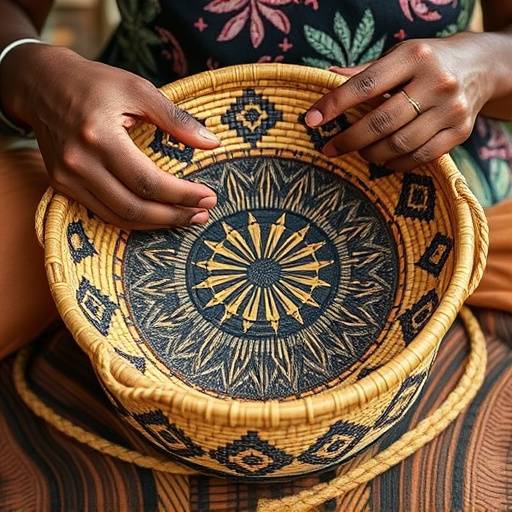
Ugandan artisans are renowned for their skill and creativity, producing a wide range of handcrafted items that reflect the country's cultural heritage. Basket weaving is a traditional craft practiced by many tribes, with each region known for its unique designs and techniques. Pottery is another important craft, with skilled artisans creating beautiful and functional vessels from clay.
Wood carving is a prominent art form, with talented carvers producing intricate sculptures, masks, and furniture. Bark cloth, made from the inner bark of the Mutuba tree, is a traditional textile used for clothing, bedding, and ceremonial purposes. Beadwork is also a popular craft, with artisans creating colorful and intricate jewelry and accessories.
You can find these beautiful crafts in local markets throughout Uganda, such as the Owino Market in Kampala and the craft markets in Entebbe. Supporting local artisans helps preserve these traditions and provides economic opportunities for communities.
| Craft | Description | Tribes Associated | Typical Use |
|---|---|---|---|
| Basket Weaving | Intricately woven baskets using natural fibers, often dyed with vibrant colors. | Various tribes including the Baganda, Banyankole, and Bakiga. | Storage, carrying goods, decoration. |
| Pottery | Handmade clay pots and vessels, often decorated with traditional patterns. | Various tribes across Uganda. | Cooking, storing water and food, ceremonial purposes. |
| Wood Carving | Sculptures, masks, and furniture carved from various types of wood. | Baganda, Banyoro, and other tribes with rich woodworking traditions. | Decoration, religious ceremonies, functional items. |
| Bark Cloth | Cloth made from the inner bark of the Mutuba tree, traditionally used for clothing. | Baganda | Clothing, ceremonial attire, bedding. |
| Beadwork | Intricate jewelry and accessories made from colorful beads. | Karamojong, and other tribes with a strong tradition of adornment. | Decoration, personal adornment, ceremonial purposes. |
Traditional Ceremonies and Festivals
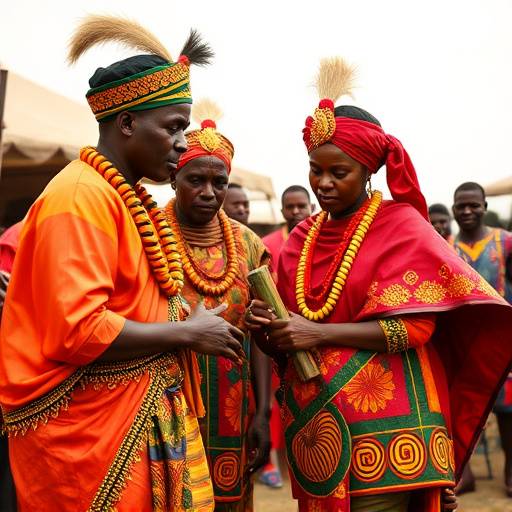
Uganda is a land of vibrant ceremonies and festivals that celebrate various aspects of life, from birth and marriage to harvest and initiation. These events are often marked by music, dance, feasting, and traditional rituals.
The Imbalu ceremony, practiced by the Bagisu people, is a rite of passage for young men, marking their transition into adulthood through circumcision. The Kwepena ceremony, performed by the Acholi people, is a traditional wedding ceremony that involves elaborate rituals and symbolic exchanges between the families of the bride and groom.
The Nyege Nyege Festival, held annually in Jinja, is a celebration of East African music and culture, attracting artists and music lovers from across the region. These are just a few examples of the many ceremonies and festivals that offer a glimpse into the rich cultural tapestry of Uganda.
The Kingdom of Buganda
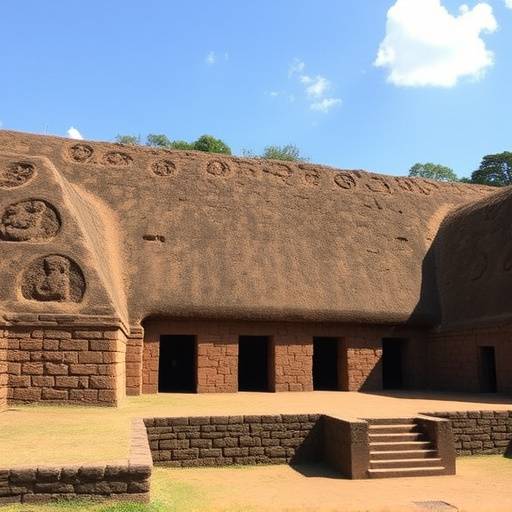
The Kingdom of Buganda is the largest of the traditional kingdoms in present-day Uganda. With a history stretching back centuries, the kingdom has played a significant role in the political, social, and cultural life of the region. The Kabaka, or King, is the traditional ruler and holds a revered position within the Baganda community. The kingdom's capital is located in Mengo, a suburb of Kampala.
Visitors can explore the Kasubi Tombs, a UNESCO World Heritage Site and the burial grounds for the previous Kabakas, to gain insight into the kingdom's history and traditions. The Lubiri, the Kabaka's palace, is another important site that showcases the kingdom's architectural and cultural heritage. The Buganda kingdom is a living testament to the enduring power of tradition and cultural identity in Uganda.
Preserving Uganda's Cultural Heritage
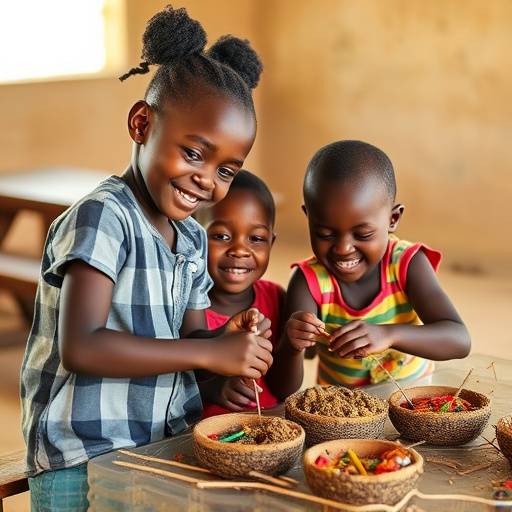
Efforts are underway to preserve and promote Uganda's rich cultural heritage for future generations. Cultural centers, museums, and heritage sites play a vital role in documenting and showcasing the country's traditions and customs. Organizations like the Uganda National Cultural Centre and the Cross-Cultural Foundation of Uganda work to support local artists, promote cultural tourism, and raise awareness about the importance of preserving cultural heritage.
By visiting Uganda and engaging with its diverse cultures, you can contribute to the preservation of these traditions and support the communities that keep them alive. Explore the Pearl of Africa and immerse yourself in its captivating cultural heritage!